

Our core service
At-Home Detox: Medically Supervised Withdrawal Care in Your Home
At-home detox is medical withdrawal management delivered where you live. A physician prescribes the protocol, a licensed nurse carries it out in your home, and the plan ends with a handoff to ongoing treatment. This page explains how it works, who it suits and who should detox in a facility.

01
What Is At-Home Detox?
When someone who is physically dependent on alcohol or drugs stops, the body reacts with withdrawal. Medical detox manages that reaction with monitoring and medication so that it is safe and tolerable. Traditionally this happens in a hospital or residential unit. At-home detox, which clinicians call ambulatory withdrawal management, applies the same medical principles in a private residence.
It is different from quitting on your own at home. Unsupervised withdrawal from alcohol or benzodiazepines can cause seizures and can be fatal. Supervised home detox means a physician has screened you, medication is on hand and a nurse is watching for complications. Learn more about the medication side on our Medically Assisted Detox page.
02
Who Is a Good Candidate for Home Detox?
Home detox may suit you if
- You have a safe, stable place to stay for the length of detox
- A supportive adult can be in the home
- You have not had withdrawal seizures or delirium tremens
- Your medical and psychiatric conditions are stable
- You are committed to stopping and to follow-up care
A facility is the safer choice if
- You have had seizures or delirium tremens in a past withdrawal
- You have serious heart, liver or kidney disease, or are pregnant
- You are having thoughts of suicide or have an unstable psychiatric condition
- You use several substances heavily at the same time
- Home is not safe or others there are using
Our physician makes this call during your assessment. If a facility is safer, we refer you to one we trust.
03
The Home Detox Process, Step by Step
- 1
Assessment
A confidential phone screening covers what you use, how much, your medical history and your home situation.
- 2
Medical evaluation
The physician reviews your history, examines you, orders labs if needed and writes your detox orders. We will explain during your call how the evaluation is carried out in your case.
- 3
Withdrawal management at home
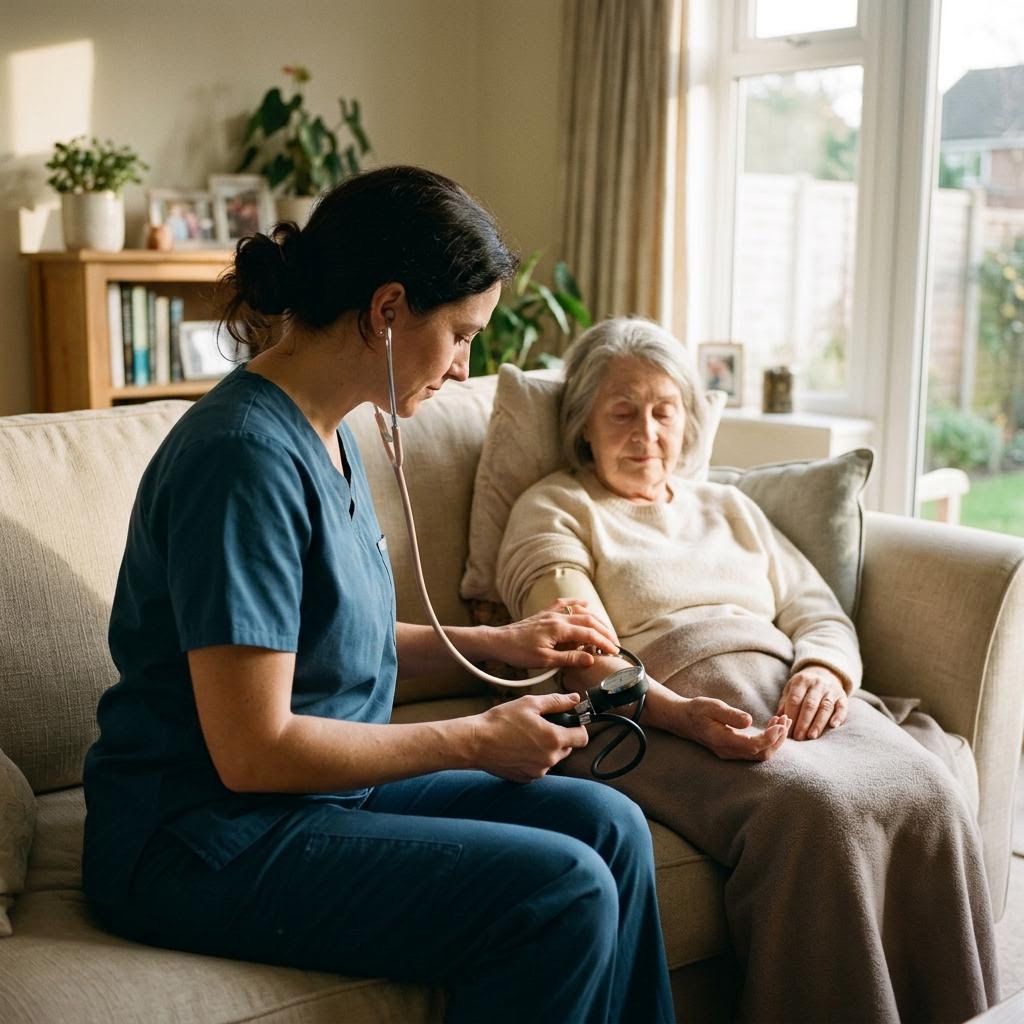
Your nurse monitors blood pressure, pulse, temperature and oxygen level, and scores symptoms using the CIWA-Ar scale for alcohol or the COWS scale for opioids. Medication doses follow those scores and the physician’s orders. The nurse also manages fluids, nutrition and sleep.
- 4
Stabilization and handoff
When withdrawal has settled, the physician clears you, and your case manager connects you with the next stage of treatment.
04
Medications Used in Home Detox
The physician chooses medication based on the substance and your health. Alcohol and benzodiazepine withdrawal are usually managed with a tapering benzodiazepine or similar medication to prevent seizures. Opioid withdrawal is commonly treated with buprenorphine or with non-opioid comfort medications. Supporting medications treat nausea, sleeplessness, anxiety and muscle pain. All medications are prescribed for you individually and administered or supervised by the nurse.
05
How Long Does At-Home Detox Take?
| Substance | Typical acute withdrawal | Notes |
|---|---|---|
| Alcohol | 3 to 7 days | Highest risk in the first 72 hours |
| Short-acting opioids (heroin, oxycodone) | 5 to 7 days | Symptoms start within about 12 hours |
| Fentanyl | 7 to 10 days or more | Can be prolonged; start of buprenorphine needs care |
| Benzodiazepines | Weeks to months | Gradual taper; never stopped abruptly |
| Stimulants | 3 to 5 days | Mostly fatigue, low mood and sleep changes |
These are general ranges. Your physician sets your timeline.
06
Benefits of Detoxing at Home
Privacy
No admission desk, no shared rooms, no other patients.
One-to-one care
Your nurse has one patient. In a facility, a nurse may cover many.
Comfort and family
You sleep in your own bed, and family can be involved from the first day.
A plan built around your real life
The team sees your home, routines and triggers, which makes the aftercare plan more realistic.
07
Executive Detox
Many clients are executives, professionals and public figures who need discretion and cannot disappear for weeks. Care is scheduled around essential commitments where it is medically safe, though we advise clearing your calendar for the acute phase.

08
What Does At-Home Detox Cost?
We do not publish a price on this site yet. Cost depends mainly on the number of days and the hours of nursing your physician orders. Call (888) 592-7931 and a specialist will explain current rates and what they include before anything is arranged.
Coverage varies by plan, and we would rather tell you the truth about your policy than guess. Our team can look at your insurance details by phone and explain your options, including how payment works, before you commit to anything.
You can read more on our cost page or go straight to Admissions.
09
At-Home Detox FAQs
For people who pass medical screening, supervised home detox is a recognized level of care. For people with high-risk histories, a facility is safer, and we refer them.
Yes, and one supportive adult at home is preferred.
Yes. Remove them before detox starts.
Plan to be off work for the acute phase. Light remote work may be possible later in the week if your nurse and physician agree.
You can stop at any time. Your nurse will explain the medical risks of stopping early and the physician will advise on doing so safely.
Free · confidential · no obligation
Start Your Assessment
A specialist answers at (888) 592-7931. Call for yourself or for someone you love. We will listen first, then explain your options honestly, including when a facility is the safer choice.
Prefer that we call you?
Leave your name and number and our team will call you back. Free and confidential.
If this is an emergency, call 911 now. That includes a seizure, chest pain, confusion, or thoughts of self-harm, for you or someone with you. You can also call or text 988 for the Suicide and Crisis Lifeline.