

Alcohol
Alcohol Detox at Home, Medically Supervised
Stopping alcohol after heavy, regular drinking can be dangerous without medical care. MD Home Detox manages alcohol withdrawal in your home with a physician-ordered medication protocol and a licensed nurse monitoring you through the highest-risk days.

01
Why Alcohol Withdrawal Needs Medical Supervision
Alcohol slows the nervous system. With daily heavy use, the brain compensates by staying in a heightened state. Remove the alcohol and that heightened state is unopposed, producing tremor, racing heart, high blood pressure and, in some people, seizures or delirium tremens. Delirium tremens is a medical emergency. Medication given early prevents most severe complications, which is why supervised detox is the standard of care.
02
Alcohol Withdrawal Timeline
| Time since last drink | What typically happens |
|---|---|
| 6 to 12 hours | Tremor, anxiety, sweating, nausea, headache, trouble sleeping |
| 12 to 48 hours | Symptoms intensify; seizure risk is highest in this window |
| 48 to 72 hours | Peak of withdrawal; delirium tremens, if it occurs, usually starts here |
| Days 4 to 7 | Physical symptoms ease; sleep and mood remain unsettled |
| Weeks after | Lingering anxiety, low mood and cravings in some people |
Timing varies with how much and how long you have been drinking, your age and your health.
03
Alcohol Withdrawal Symptoms
Common symptoms
Shaking hands, sweating, nausea or vomiting, headache, anxiety, irritability, insomnia, fast pulse.
Severe symptoms that need urgent care
Seizures, confusion or disorientation, seeing or hearing things that are not there, fever, severe agitation. If these occur outside supervised care, call 911.
04
How We Manage Alcohol Detox at Home
- 1
Screening
The physician assesses your drinking history, past withdrawals, liver health and medications to confirm home detox is appropriate.
- 2
Medication
A tapering benzodiazepine protocol is dosed against your CIWA-Ar score. Thiamine, fluids and electrolytes are given as ordered.
- 3
Nursing care
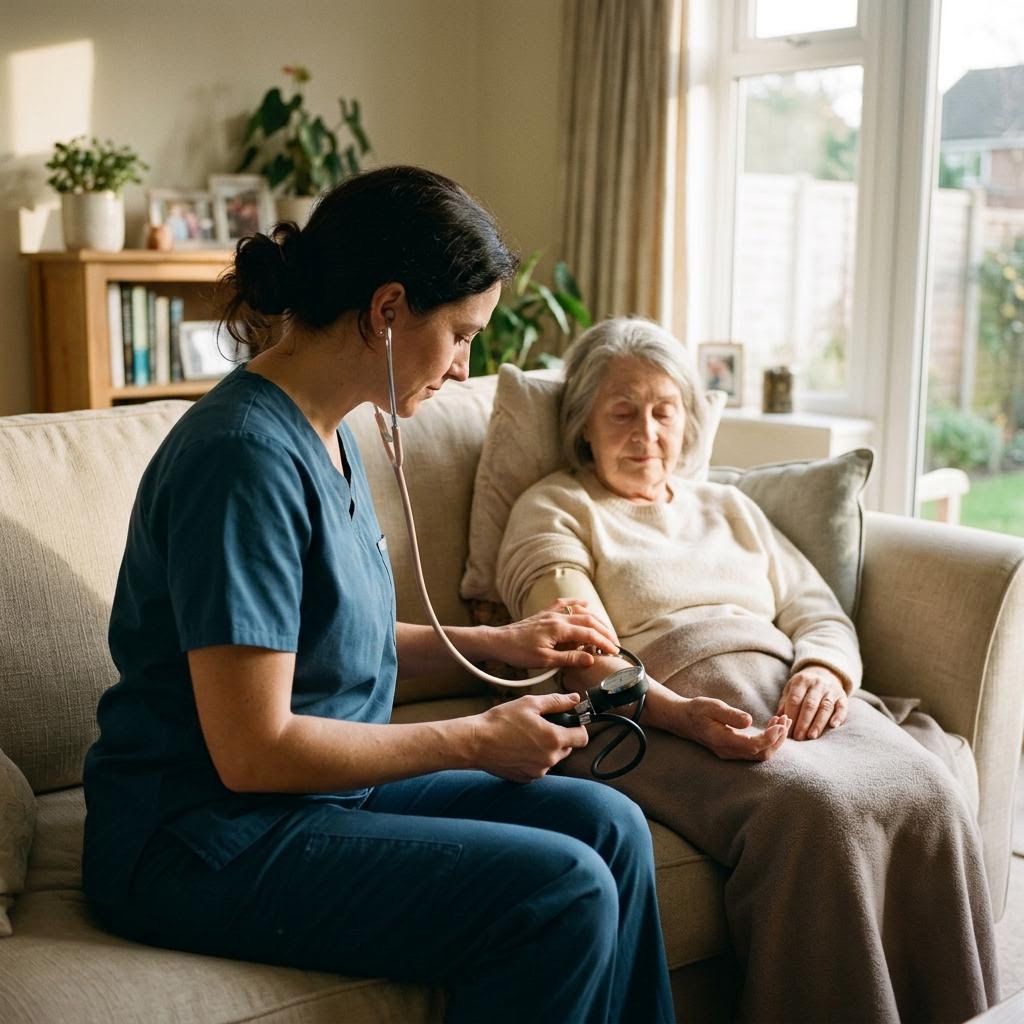
A licensed nurse checks vital signs and symptoms on the schedule your physician sets, with the closest attention in the first 72 hours, keeping the physician updated. We will explain the nursing coverage recommended for you before detox begins.
- 4
After detox
We arrange ongoing treatment and discuss relapse-prevention medication such as naltrexone or acamprosate with you.
05
Can I Detox From Alcohol at Home on My Own?
Not safely if you drink heavily every day. Tapering by yourself or stopping abruptly carries seizure risk, and symptoms can escalate quickly at night when help is hard to reach. If professional home detox is not an option for you, speak with your doctor or go to an emergency department; do not stop alone.
06
Signs You May Need Alcohol Detox
- You drink in the morning to steady yourself
- You feel shaky, sweaty or anxious when you go without
- You have tried to cut down and could not
- You need more alcohol than before to feel the same effect
For background reading, see our article Understanding Alcohol Detox in Los Angeles.
07
Alcohol Detox FAQs
Usually five to seven days of medical care, with the closest monitoring in the first three.
A history of withdrawal seizures or delirium tremens usually means a hospital or residential detox is safer. Our physician will advise you.
No. Detox treats withdrawal. Lasting recovery needs follow-up treatment, which we arrange before detox ends.
Free · confidential · no obligation
Begin Alcohol Detox at Home in Los Angeles
A specialist answers at (888) 592-7931. Call for yourself or for someone you love. We will listen first, then explain your options honestly, including when a facility is the safer choice.
Prefer that we call you?
Leave your name and number and our team will call you back. Free and confidential.
If this is an emergency, call 911 now. That includes a seizure, chest pain, confusion, or thoughts of self-harm, for you or someone with you. You can also call or text 988 for the Suicide and Crisis Lifeline.