
Medication and monitoring
Medically Assisted Detox at Home
Medically assisted detox uses prescribed medication and clinical monitoring to control withdrawal. MD Home Detox provides it in your home under a physician’s orders, with a licensed nurse giving medication and tracking your response.

01
What Medically Assisted Detox Means
Withdrawal happens because the brain has adapted to a substance and overreacts when it is removed. Medication calms that reaction while the body readjusts. The aim is safety first, then comfort: preventing seizures and dangerous swings in blood pressure and heart rate, and easing nausea, pain, anxiety and insomnia enough that you can complete detox.
02
Medications by Substance
Alcohol
Benzodiazepines such as chlordiazepoxide or lorazepam, dosed against CIWA-Ar scores and tapered over several days. Thiamine and other vitamins are given to protect the brain and nerves.
Read moreOpioids, including fentanyl
Buprenorphine relieves withdrawal and cravings and can continue as maintenance treatment. Clonidine or lofexidine and other comfort medications are options when buprenorphine is not used.
Read moreBenzodiazepines
A slow, scheduled dose reduction, often after switching to a longer-acting benzodiazepine.
Read moreStimulants
No medication reverses stimulant withdrawal; care focuses on sleep, nutrition and mood monitoring.
Read more03
How Monitoring Works
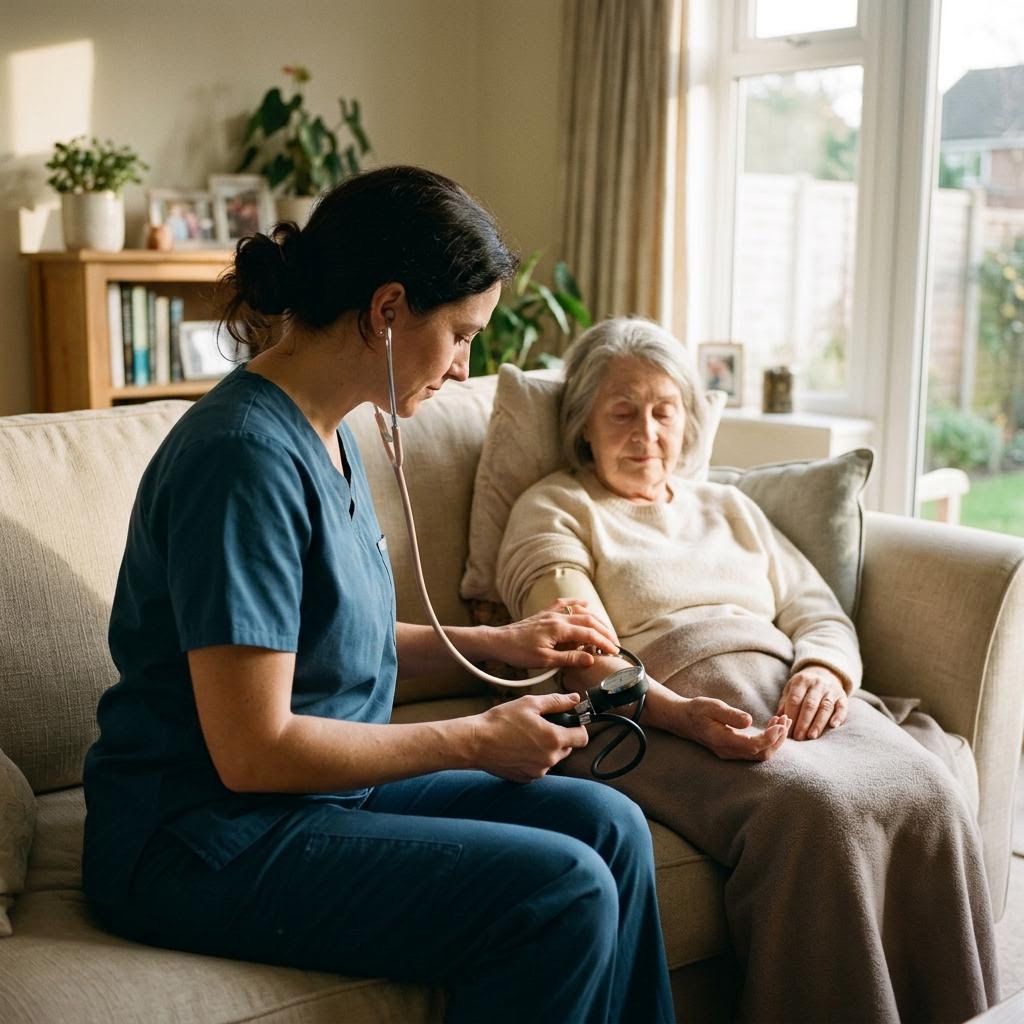
Your nurse records vital signs and symptom scores on a set schedule, adjusts dosing within the physician’s orders and calls the physician when anything falls outside the expected range. Monitoring is most frequent in the first 72 hours.
04
Detox Medication and Longer-Term Treatment
Detox medication is short-term. Some people continue medication for addiction treatment afterward: buprenorphine or naltrexone for opioid use disorder, naltrexone or acamprosate for alcohol use disorder. Your physician will discuss whether that fits your goals.
05
Who Should Not Detox at Home
Home detox is a recognized level of care for people who pass medical screening. It is not the right setting for everyone, and our physician will tell you plainly if a hospital or residential unit is safer. The full criteria are on the At-Home Detox page.
Usually suitable at home
- You have a safe, stable place to stay for the length of detox
- A supportive adult can be in the home
- You have not had withdrawal seizures or delirium tremens
Usually safer in a facility
- You have had seizures or delirium tremens in a past withdrawal
- You have serious heart, liver or kidney disease, or are pregnant
- You are having thoughts of suicide or have an unstable psychiatric condition
- You use several substances heavily at the same time
06
Medically Assisted Detox FAQs
No. Doses are set to keep you safe and reasonably comfortable while awake and able to eat, drink and talk with your nurse.
Medications are tapered and stopped under supervision. Buprenorphine may be continued deliberately as ongoing treatment.
A California-licensed physician prescribes and oversees all detox medication. Ask during your call and we will tell you who will be directing your care.
Free · confidential · no obligation
Speak With Our Medical Team
A specialist answers at (888) 592-7931. Call for yourself or for someone you love. We will listen first, then explain your options honestly, including when a facility is the safer choice.
Prefer that we call you?
Leave your name and number and our team will call you back. Free and confidential.
If this is an emergency, call 911 now. That includes a seizure, chest pain, confusion, or thoughts of self-harm, for you or someone with you. You can also call or text 988 for the Suicide and Crisis Lifeline.